Bishnoi Caste and Community: History, 29 Principles and Marriage Customs
People across India know the Bishnoi samaj for one strong idea. Protect every living being. For over five centuries, Bishnois have guarded trees, deer and wildlife. Some even gave their lives for it.
Many people search "Bishnoi caste" to understand who Bishnois are. The answer is interesting, because Bishnoi began as a spiritual path, or panth, rather than a caste. Over time, it grew into a close-knit samaj with its own gotras, customs and marriage traditions.
Who Are the Bishnois?
Bishnois are followers of Guru Jambheshwar, also called Jambhoji. He founded the Bishnoi panth in 1485 at Samrathal Dhora, in the Bikaner region of Rajasthan.
The name comes from two words, "bis" meaning twenty and "noi" meaning nine. Together, they refer to the 29 principles that every Bishnoi follows. Some also link the name to "Vishnoi," meaning followers of Lord Vishnu.
People from several groups joined the panth in its early years. Over time, Bishnois became a samaj of their own. Today, most people regard them as a Hindu Vaishnava samaj.
Guru Jambheshwar and His Teachings
Guru Jambheshwar lived from 1451 to 1536. He taught for about 51 years, and his followers collected his teachings in 120 verses called the Shabadwani.
He saw people suffer through long droughts in the Thar desert. So he taught them to live in balance with nature, to share, and to avoid cruelty. His message was simple, practical and well ahead of its time.
The 29 Principles of the Bishnoi Community
The 29 principles guide daily life, health, worship and care for nature. They cover a clean body, honest speech, prayer and care for animals and trees.
Some of the best-known rules are easy to remember. Bishnois do not cut green trees. They do not kill animals or eat meat. They avoid alcohol, tobacco, opium and bhang. They practise compassion, forgiveness and truthful speech, and they pray every morning and evening.
Other rules ask you to bathe each day and filter water before you drink it. They also ask you to control anger, greed and lust. Taken together, they shape a simple, disciplined way of life.
The Khejarli Sacrifice of 1730
The most famous moment in Bishnoi history took place in 1730 at Khejarli village, near Jodhpur. Soldiers came to cut khejri trees for a palace project.
Amrita Devi Bishnoi hugged a tree to stop them. She said a head lost for a tree is a small price. Villagers followed her lead. According to tradition, 363 Bishnois gave their lives before the Maharaja stopped the felling.
Their sacrifice later inspired the Chipko movement. The Government of India also honours wildlife protectors with the Amrita Devi Bishnoi Wildlife Protection Award.
Where Do Bishnois Live?
Rajasthan has the largest Bishnoi population, mainly in Jodhpur, Bikaner, Barmer, Nagaur and Sri Ganganagar. Bishnois also live in Haryana, Punjab, Madhya Pradesh, Gujarat and Uttar Pradesh.
The holiest site is Muktidham Mukam in Bikaner district, where Guru Jambheshwar's final rites took place. The samaj holds large fairs there every year, which draw families from across the country.
Bishnoi Caste Category: OBC or General?
Reservation status for Bishnois depends on the state and the specific list. It has also been a subject of public demands in some states.
So check your state's current OBC list. Or look at the caste certificate issued to your family. Do not rely on a surname or a general online answer for official purposes.
Bishnoi Beliefs, Food and Lifestyle
Bishnois eat only veg food and avoid all drink and drugs. By custom, many homes also avoid blue clothes, because indigo dye once came from cutting plants.
Prayer, havan and samaj service are part of daily life. By custom, Bishnois bury their dead instead of cremating them, partly to save wood and trees.
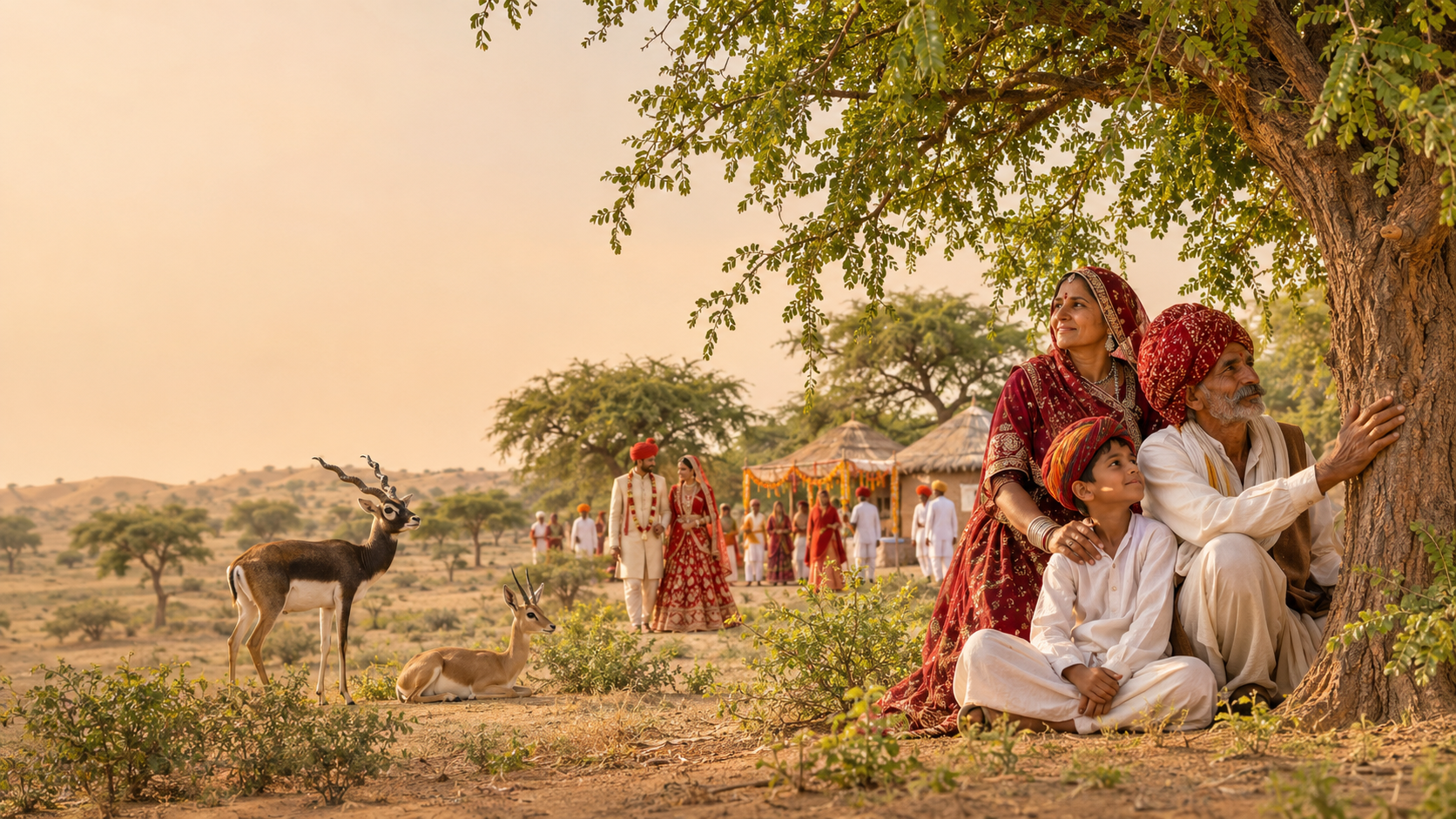
Bishnoi villages are famous for blackbuck and chinkara roaming freely. Families protect these animals as their own, and many women have even nursed orphaned fawns.
Bishnoi Gotras and Marriage Rules
The Bishnoi samaj has about 360 gotras. The samaj treats all of them as equal. Well-known gotras include Godara, Pawar, Dhaka and Biria, among many others.
Gotras guide marriage alliances. Like many Hindu groups in the north, Bishnoi homes avoid a match in the same gotra. Many also avoid the mother's gotra and other close family gotras.
Bishnoi Marriage Customs
Most Bishnoi homes prefer matches within the samaj. Weddings follow Rajasthani traditions. A havan sits at the centre of the ceremony.
Bishnoi weddings serve only vegetarian food and no alcohol. Many homes keep the rites simple. This fits the samaj's love of a plain, modest life.
Bishnoi homes today also look at a partner's studies, job and values. Young people want a partner who respects both tradition and modern life.
Bishnoi Values in Married Life
Bishnoi values shape the home, not just the temple. A Bishnoi home is often calm and clean. Food is pure and simple. There is no meat and no drink.
Care for nature runs deep. Many homes feed birds each day. Some keep water out for deer and stray animals. Kids learn to plant trees and save water.
These values matter in a match. A partner who shares them will feel at home. A partner who does not may find the rules hard at first.
So talk about it early. Ask about food, faith and daily habits. Clear talks now mean fewer clashes later.
Finding a Bishnoi Match
If you want a Bishnoi partner, share your gotra, family values and lifestyle preferences early. It makes the first family conversation smoother and more honest.
On Marriage Jodi, you can search Hindu matrimony profiles by samaj, location and family background. You can also state your food preferences and values clearly on your profile. To prepare a strong profile, read our guide to writing a marriage biodata.
Frequently Asked Questions
What is the Bishnoi caste?
Bishnoi is a Hindu samaj of Guru Jambheshwar's followers. He founded the Bishnoi panth in 1485. Bishnois follow 29 principles focused on nature, compassion and clean living.
Which religion do Bishnois follow?
Bishnois are Hindus who follow the Vaishnava tradition. They worship Lord Vishnu and follow the teachings of Guru Jambheshwar.
Do Bishnois eat non-veg food?
No. Bishnois follow a strict vegetarian diet. Their rules forbid killing animals. They also avoid drink, tobacco and drugs.
Is Bishnoi a Rajput caste?
No. Bishnoi is a separate samaj. It grew around a faith path. People from several backgrounds joined it in its early years, but today it is a distinct samaj.
Can Bishnois marry within the same gotra?
By custom, no. Bishnoi homes avoid marriage within the same gotra, and many also avoid the mother's gotra.
Looking for a Bishnoi partner who shares your values? Register free on Marriage Jodi